Home > Blogs >Diabetic Retinopathy Diet

Diabetic Retinopathy Diet: What to Eat and Avoid

Diabetic retinopathy is a condition that affects the eyes of people living with diabetes. Did you know that what you eat plays a big role in managing this condition? A healthy diet not only helps control your blood sugar but can also improve your eye health and slow down the damage caused by diabetic retinopathy.

If you’re looking for clear guidance on what to eat and what to avoid, you’re in the right place. This article will cover the foods that are good for your eyes and overall health, which ones you should steer clear of, and practical tips to make better food choices.

By the end of this article, you’ll have an actionable plan for meals that benefit your eyes and diabetes management.

Diabetic Retinopathy Diet

AUTHOR

Ophthalmologist/ Eye Surgeon  13+ Years Exp

MBBS, MS – Ophthalmology

CALL US 24/7 FOR ANY HELP

GET IN TOUCH ON

Summary

1.Eating the right foods can help control blood sugar and slow the progression of diabetic retinopathy.


2.Foods like leafy greens, colourful fruits, nuts, seeds and whole grains give antioxidants and nutrients that protect the retina.


3.Oily fish rich in omega-3, such as salmon and sardines, support healthy blood vessels and reduce inflammation.


4.Lean proteins, legumes and fibre-rich foods help keep blood sugar stable and prevent sudden spikes.


5.Sugary items, refined carbs, fried foods, processed snacks, salty foods and alcohol should be avoided because they worsen blood sugar and pressure.


6.Following a simple plate method — half vegetables, one-quarter protein and one-quarter healthy carbs — makes meals balanced and eye-friendly.


7.Staying hydrated, managing weight, exercising regularly and reducing stress all support better eye and diabetes control.


8.Regular eye check-ups are important to detect any changes early and protect long-term vision.


Understanding the Connection Between Diet and Diabetic Retinopathy

Before jumping into the foods, it’s important to understand why your diet matters. Diabetic retinopathy happens when high blood sugar damages the small blood vessels in the retina (the back part of your eye). Over time, this damage may lead to vision loss. 


A well-balanced diet helps maintain stable blood sugar levels, reduces inflammation, and supports the health of your eyes. Think about food as medicine for your body and your eyes. The right meal can make a difference in how you feel and how well you manage diabetes.


Which Foods Should You Eat?

Here’s the good news! Many delicious and nutritious foods are good for both your diabetes and your eyesight. Let’s look at these in detail:

1. Fish Rich in Omega-3 Fatty Acids

OMEGA-3-FISH

Fish like salmon, mackerel, sardines, and tuna are great sources of omega-3 fatty acids. These healthy fats reduce inflammation in the body and may protect your retina.

  • How much to eat: Two servings per week. A serving could be a grilled salmon fillet or a tuna salad.
  • Why it works: Omega-3s help keep your blood vessels healthy, including those in your eyes.


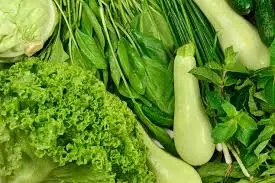
2. Leafy Green Vegetables

LEAFY GREEN VEGETABLES

Spinach, kale, and collard greens are packed with lutein and zeaxanthin, antioxidants that protect the retina and reduce the progression of diabetic retinopathy.

  • Examples: A spinach smoothie or a bowl of sautéed kale with garlic.
  • Why it works: These nutrients protect your retina from harmful light and stress caused by diabetes.


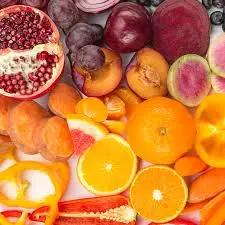
3. Fruits Rich in Vitamins

Fruits Rich in Vitamins

Fruits like oranges, kiwis, and berries are full of vitamins like C and E, which are known to improve eye health. Choose fruits over juices to get the benefits of fibre.

  • Best picks: Oranges, strawberries, and mangoes.
  • Why it works: Fibre slows down how sugar is absorbed into your blood, keeping levels stable.


4. Whole Grains and Healthy Carbohydrates


HEALTHY CARBOHYDRATES

Whole grains like brown rice, quinoa, and oats are better for blood sugar control compared to refined grains.

  • Ideas for your plate: Switch white rice for brown rice or use oats instead of sugary cereals.
  • Why it works: These carbs break down slowly, preventing quick spikes in blood sugar.


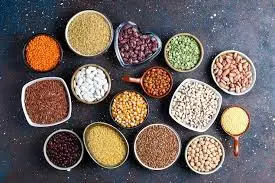
5. Legumes and Lean Proteins

Legumes and Lean Proteins

Beans, peas, lentils, and lean meats like chicken are excellent for building a balanced diet.

  • Tip: Use legumes in soups or curries, or add grilled chicken to your salad.
  • Why it works: They’re low in fat but high in fibre, helping control sugar levels.


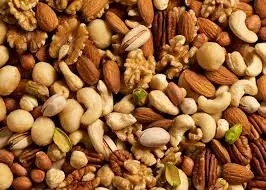
6. Nuts and Seeds


Nuts and Seeds

Walnuts, chia seeds, and flaxseeds are not only tasty but also packed with healthy fats and omega-3s.

  • Snack idea: A handful of mixed nuts or chia seeds added to yogurt.
  • Why it works: They reduce inflammation and improve eye health.


7. The Mediterranean Diet

This eating style focuses on whole foods like olive oil, fish, fruits, and vegetables. Many studies show that it helps keep blood sugar in check and lowers the risk of diabetic complications.

  • Meal idea: A Greek salad with olives, feta cheese, and a drizzle of olive oil.
  • Why it works: This diet is anti-inflammatory and heart-healthy.


Foods to Avoid

Now that we’ve looked at what to eat, it’s equally important to know what to avoid. Many foods can spike your blood sugar or contribute to long-term eye damage.

1. Sugary Foods and Drinks

Sweets, sodas, and juices with added sugar can cause quick blood sugar spikes.

  • Examples to limit: Candy, pastries, and regular soft drinks.
  • Why it’s harmful: Sudden spikes in blood sugar damage the delicate blood vessels in your retina.


2. Processed Foods with Refined Carbs

White bread, pasta, and processed snacks (like chips) are stripped of their nutrients and can affect your blood sugar negatively.

  • What to choose instead: Replace white bread with whole-grain bread.


3. Fried and Fatty Foods

Foods like fried chicken or French fries are high in bad fats, which not only affect your heart but can also worsen diabetic complications.

  • What’s better: Opt for baked or grilled versions instead of fried.


4. High-Sodium Foods

Salt can increase your blood pressure, which is another risk factor for diabetic retinopathy.

  • Check labels for: Canned soups, processed meats, and fast food.
  • What to use instead: Spice your food with herbs like thyme or cumin instead of salt.


5. Alcohol

Excess drinking can interfere with your blood sugar management and put extra strain on your eyes.

  • Moderation matters: If you drink, keep it occasional and stick to small servings.


Meal Planning Tips

  • Follow the Plate Method: Divide your plate into three sections. Half should be non-starchy vegetables, one-quarter lean protein, and one-quarter healthy carbs. 
     
  • Consistency is key: Stick to a regular eating schedule to help your body use insulin more effectively.

  • Hydration matters: Drink plenty of water and avoid sugary drinks. Herbal teas are a great alternative.


Sample Indian-Friendly Meal Ideas

Incorporating a diabetic-retinopathy-friendly diet into everyday Indian meals is simpler than it seems.

For breakfast, options like vegetable upma, moong dal chilla, or oats with nuts help maintain stable sugar levels.

Lunch can include brown rice or millets with dal, leafy green sabzi, grilled fish or paneer, and a bowl of salad.

For dinner, choose light meals such as multigrain rotis with mixed vegetables and a protein-rich curry. Snacks like roasted chana, almonds, sprouts, or vegetable soup make nutritious, low-GI choices.

Lifestyle Changes Beyond Food

While diet is essential, it’s not the only factor. Regular exercise, stress management, and proper medication also play a role in managing diabetic retinopathy. Combined with a balanced diet, these lifestyle changes can improve your overall health and protect your vision.

  • Exercise: Aim for 30 minutes of moderate activity, like walking or yoga, most days of the week. 

  • Eye Exams: Get your eyes checked at least once a year to catch any changes early. 

Final Thoughts

Managing diabetic retinopathy through diet is all about balance. Eat more nutrient-rich foods like fish, leafy greens, and whole grains, while cutting back on sugary, processed, and fried items. These simple shifts can help stabilize your blood sugar and protect your eyes in the long run.

If you’re unsure where to start or want to customize your meals further, don’t hesitate to consult your eye doctor or a dietitian. They can help you create a plan that’s right for your needs.

Remember, small changes can lead to big improvements in your health, one meal at a time!

Protect Your Vision with Expert Care!

Saijyothi Eye Hospital—Secunderabad’s top choice for diabetic retinopathy. Get personalized guidance and advanced treatment to manage your eye health.

👉 Book your consultation today!

FAQs on Diabetic Retinopathy Diet

1. Can diabetic retinopathy be reversed through diet alone?

No, diet alone cannot reverse existing eye damage, but it can slow the disease, protect the retina and prevent further vision loss.

2. Does eating at specific times help blood sugar and eye health?

Yes. Eating meals at regular times prevents sudden sugar spikes and helps keep the retina protected.

3. Is the Mediterranean diet helpful for diabetic retinopathy?

Yes. It’s rich in fish, nuts, veggies, fruits and whole grains — all of which support retinal health and stable blood sugar.

4. Do type 1 and type 2 diabetics need different diet rules for eye health?

Both need similar eye-friendly foods, but type 1 diabetics must match meals closely with insulin, while type 2 focus more on weight, carb control and lifestyle.

5. Are dairy products like milk, curd and cheese safe?

Yes, in moderation. Choose low-fat options and avoid sweetened dairy products.

6. Are fruit juices or smoothies harmful?

Yes. They raise blood sugar very quickly. Whole fruits are a much safer option.

7. Do tea or coffee affect diabetic retinopathy?

Plain tea or coffee is fine. Avoid adding sugar, flavored syrups or creamers that spike blood sugar.

8. Is it safe to take omega-3 supplements instead of eating fish?

Yes, but food sources like fish, walnuts and flaxseed are usually better absorbed. Speak to a doctor before taking supplements.

9. Do antioxidant supplements help the retina?

They may help, but they are not a cure. It’s always safer to get antioxidants from vegetables, fruits and nuts.

10. Does reducing salt help protect the eyes?

Yes. Lower salt keeps blood pressure in control, which reduces stress on retinal blood vessels.

11. How much water should I drink daily?

Most people with diabetes need 6–8 glasses a day, unless your doctor suggests otherwise. Staying hydrated helps manage blood sugar.

12. Can weight loss improve diabetic retinopathy?

Yes. Losing excess weight improves blood sugar and reduces strain on blood vessels, slowing the condition.

13. What are plant-based alternatives to fish for omega-3?

Walnuts, chia seeds, flaxseeds, soybeans, and algae-based omega-3 supplements.

14. Can certain foods cause temporary blurry vision?

Yes. High-sugar or high-carb foods can spike blood sugar and cause temporary blurred vision.

15. How often should I get an eye check-up?

Once every 6–12 months, or more often if your doctor advises.

16. Can exercise + diet slow retinopathy better than diet alone?

Absolutely. Exercise improves blood sugar, blood pressure and cholesterol — all key for eye protection.

17. Is it okay to eat rice, chapati or potatoes?

Yes, in controlled portions. Choose brown rice, whole wheat chapati and pair carbs with protein or fibre to avoid spikes.

18. Which snacks are safest for diabetic retinopathy?

Nuts, seeds, Greek yogurt, boiled eggs, roasted chana, vegetable sticks, or small fruit portions.

19. Do cholesterol levels and fatty foods affect the retina?

Yes. High cholesterol can damage blood vessels in the eye. Choose healthy fats like nuts, seeds, avocado and fish.

20. Does stress or lack of sleep affect diabetic retinopathy?

Yes. Stress and poor sleep worsen blood sugar control, which can make retinopathy progress faster.


Appointment Form


    AUTHOR

    Ophthalmologist/ Eye Surgeon  13+ Years Exp

    MBBS, MS – Ophthalmology

    CALL US 24/7 FOR ANY HELP

    GET IN TOUCH ON

    Appointment Form